
There are more than 6 million cohabiting couples in the UK and the number is rising.
However, despite how common an occurrence it now is, problems can arise frequently for these couples upon death or separation. If you are co-habiting, you do not have the same rights as a married couple; and contrary to popular belief, there is no such thing as a ‘common-law marriage’.
Cohabiting partners are not recognised under the Intestacy rules which are statutory instrument that governs the situation of someone dying without a Will. Therefore although it may have been the Deceased partners wish for them to inherit, without a Will, it would actually be inherited by the family of the Deceased.
If you separate there is no obligation to support each other financially. An unmarried partner who stays at home to care for children cannot make any claims in their own right for property, maintenance or pension-sharing.
What can Heppenstalls do to help?
- Will preparation settling the property and also dealing with Guardianship issues
- Wills made in contemplation of Marriage
- Prenuptial agreements
- Cohabitation agreements
- Declarations of Trust
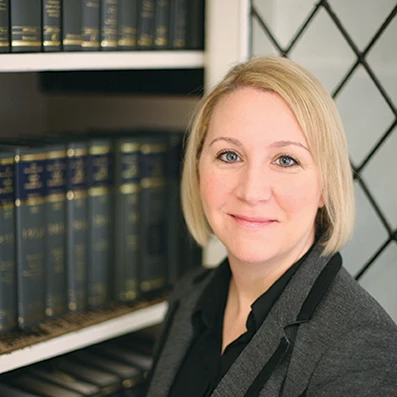
Kerry Richardson is a Solicitor in Private Client who has recently joined Heppenstalls Solicitors having worked in other firms locally.
If you would like to speak with Kerry for assistance or advice please do not hesitate to contact us at New Milton on 01425 610078 or Lymington on 01590 689500.